
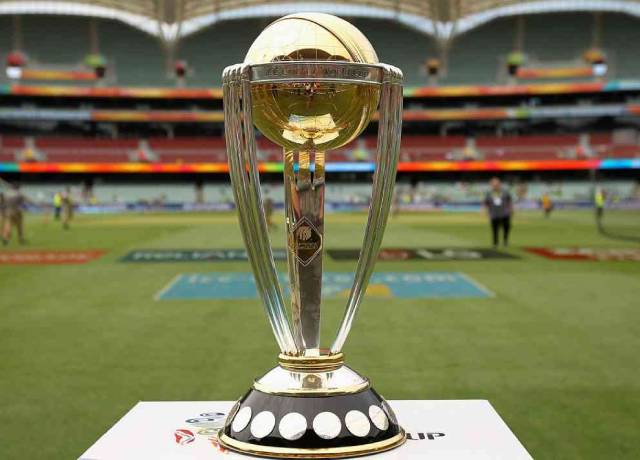
The ICC Women’s Cricket World Cup stands as a historic pillar in the realm of international sports, marking its inception in 1973 as the world’s oldest global tournament dedicated to women’s cricket. Over the decades, this championship has played a crucial role in elevating the game’s profile and inspiring generations of athletes across continents. Traditionally dominated by powerhouses like Australia and England, the tournament has gifted fans with unforgettable matches, dramatic finales, and legendary performances. Here is the full list of previous winners through to the 2022 edition, with the 2025 tournament yet to conclude:
- England (1973): England won the first-ever ICC Women’s Cricket World Cup in 1973, which was held in England from June 20 to July 28. This pioneering tournament, organized through the efforts of England captain Rachael Heyhoe Flint and sponsored by businessman Sir Jack Hayward, featured seven teams competing in a round-robin format with 60 overs per side. England topped the points table with 20 points, securing five wins out of six matches. The decisive final match against Australia saw England score 279/3, propelled by a commanding unbeaten century of 118 by Enid Bakewell and a solid 64 from captain Heyhoe Flint. Australia was bowled out for 187, allowing England to clinch the trophy by 92 runs. The cup was presented by Princess Anne, and the team was honored at 10 Downing Street by Prime Minister Edward Heath, marking a historic moment for women’s cricket globally.
- Australia (1978): Australia did not win the ICC Women’s World Cup in 1973; the inaugural Women’s Cricket World Cup held in England in 1973 was won by England. The tournament was played in a round-robin format, and England finished first with 20 points from six matches, including five wins. Australia finished as runners-up with 17 points. The final deciding match between England and Australia took place at Edgbaston, where England posted a strong total of 279/3, powered by Enid Bakewell’s commanding century of 118 and captain Rachael Heyhoe Flint’s 64. England restricted Australia to 187/9, winning the tournament by 92 runs, with the cup presented by Princess Anne.
- Australia (1982): Australia won the 1982 ICC Women’s World Cup, held in New Zealand, by defeating England in the final at Lancaster Park, Christchurch on February 7, 1982. This tournament was the third edition of the Women’s Cricket World Cup and the first to feature a final match after a round-robin league stage. Australia remained unbeaten throughout the competition, winning 11 matches and tying one against England in the league phase. In the final, England batted first and scored 151 runs for five wickets, with Jan Southgate top-scoring 53 runs. Australia initially lost early wickets but stabilized with a partnership between Karen Read and Sharon Tredrea, and ultimately won by three wickets with quick scoring from Jen Jacobs and Marie Cornish, securing their second World Cup title.
- Australia (1988): Australia won the 4th ICC Women’s World Cup in 1988, held in Australia as part of the Bicentennial celebrations. This was the fourth edition of the Women’s Cricket World Cup, and Australia claimed their third consecutive title by defeating England in the final at the Melbourne Cricket Ground by eight wickets. England batted first and scored 127 for seven, with Janette Brittin top-scoring at 46. Australia chased down the total comfortably, thanks to an unbroken 115-run partnership between Lindsay Reeler and Denise Annetts, winning the match well before the allocated 60 overs. The tournament featured five teams, and Australia’s strong performance throughout the event emphasized their dominance in women’s cricket at the time.
- England (1993): England won their second ICC Women’s World Cup title in 1993 by defeating New Zealand in the final at Lord’s, London. England scored 195 runs for five wickets, with Jo Chamberlain contributing 38 runs and earning Player of the Match for her all-round performance. New Zealand, chasing 196, were bowled out for 128, with a key run-out of Debbie Hockley turning the match in England’s favor. The victory ended Australia’s dominance and was celebrated with great joy by the England team and fans. This win marked a significant milestone in women’s cricket history.
- Australia (1997): Australia won their 6th ICC Women’s World Cup title in 1997, held in India, by defeating New Zealand in the final at Eden Gardens, Calcutta. Australia chased down New Zealand’s total of 164 with five wickets in hand, reaching 165/5 in 47.4 overs. This victory marked Australia’s fourth Women’s World Cup championship. The tournament saw record-breaking performances including Australia’s Belinda Clark scoring the first double century in Women’s ODI history with 229*, the highest individual score in any World Cup, and the team setting a World Cup record total of 412/3 against Denmark. The final was played in front of a large crowd and highlighted Australia’s dominant cricketing strength in women’s international cricket at the time. This win established Australia as a major force in women’s cricket with multiple World Cup triumphs by 1997.
- New-Zealand: New Zealand won the 7th ICC Women’s World Cup in 2000 by defeating the defending champions Australia by just four runs in a thrilling final at Lincoln, New Zealand. This victory marked New Zealand’s first and only Women’s World Cup title. New Zealand batted first and scored 184 runs, with Kathryn Ramel contributing 41 runs. Australia, chasing 185, fell short at 180 despite a strong 91-run effort by Belinda Clark. Tight bowling from Katrina Keenan, Clare Nicholson, and Rachel Pullar helped New Zealand secure the win in one of the greatest Women’s World Cup finals ever played.
- Australia (2005): Australia won their 5th ICC Women’s World Cup title in 2005, the eighth edition of the tournament held in South Africa. They defeated India comfortably in the final by 98 runs, chasing 215/4 with Karen Rolton scoring an unbeaten 107 and being named Player of the Match and Player of the Series. This tournament was notable as the first hosted by South Africa and the last organized by the International Women’s Cricket Council before merging with the ICC. Australia had a strong campaign, winning all their matches leading to the final, showcasing their dominance in women’s cricket at that time.
- England (2009): The 2009 ICC Women’s World Cup, held in Australia, was the ninth edition of the tournament. England won the tournament, beating New Zealand in the final at North Sydney Oval by four wickets to claim their third World Cup title and their first outside England. New Zealand was bowled out for 166 runs, with England successfully chasing the target with 23 balls to spare. England’s bowler Nicky Shaw took four wickets and was named player of the match. This victory ended England’s 16-year wait for a World Cup title.
- Australia (2013): Australia won their sixth ICC Women’s World Cup title on February 17, 2013, by defeating the West Indies by 114 runs in the final held at Mumbai’s Brabourne Stadium. Batting first, Australia scored 259 for 7 wickets, with Jess Cameron contributing a strong 75 runs. In response, West Indies were bowled out for 145 runs, largely due to Ellyse Perry’s exceptional bowling performance, taking three wickets. The victory was a dominant display by Australia and marked their continued supremacy in women’s cricket at the time.
- England (2017): England won the 11th ICC Women’s World Cup in 2017 by defeating India by nine runs in a thrilling final played at Lord’s, London. England set a target of 229 runs, and despite a strong chase by India led by Punam Raut’s 86, England’s bowler Anya Shrubsole took crucial wickets, including a decisive spell of five wickets, to secure England’s fourth World Cup title. The final was played in front of a record crowd of over 26,000 at Lord’s, marking a significant milestone for women’s cricket with increased professionalism, prize money, and global viewership, underscoring the growth and respect the women’s game earned with this tournament victory.
- Australia (2022): Australia won their record-extending seventh ICC Women’s World Cup title in 2022 by defeating England by 71 runs in the final held at Hagley Oval, Christchurch, New Zealand. Batting first, Australia posted a formidable total of 356 for 5, led by Alyssa Healy’s historic 170 runs, the highest individual score in a World Cup final. Despite a valiant unbeaten 148 by England’s Nat Sciver, England was bowled out for 285, handing Australia a commanding victory and reinforcing their dominance in Women’s ODI cricket with seven titles from 12 World Cups and an impressive overall winning streak in recent years.
- ? (2025): The ICC Women’s World Cup 2025, the 13th edition of the tournament, is being jointly hosted by India and Sri Lanka from September 30 to November 2. Eight teams, including defending champions Australia, India, England, and Pakistan, are competing in a round-robin format, with the top four progressing to the semifinals and final. India, aiming to win their maiden title on home soil, opened the tournament against Sri Lanka in Guwahati, with the final scheduled for November 2. Notably, matches involving Pakistan are held in Sri Lanka as a neutral venue under an ICC agreement. The event features some of the best talent in women’s cricket and promises thrilling contests across multiple venues.
ICC Women’s ODI World Cup Winners
| Edition | Year | Winner | Runner-up | Host |
| 1st | 1973 | England | Australia | England |
| 2nd | 1978 | Australia | England | India |
| 3rd | 1982 | Australia | England | New Zealand |
| 4th | 1988 | Australia | England | Australia |
| 5th | 1993 | England | New-Zealand | England |
| 6th | 1997 | Australia | New-Zealand | India |
| 7th | 2000 | New-Zealand | Australia | New Zealand |
| 8th | 2005 | Australia | India | South Africa |
| 9th | 2009 | England | New-Zealand | Australia |
| 10th | 2013 | Australia | West Indies | India |
| 11th | 2017 | England | India | England |
| 12th | 2022 | Australia | England | New Zealand |
| 13th | 2025 | – | India/Sri Lanka |
Australia holds the record for most titles, and the event has provided numerous memorable finals and close contests. The 2025 edition remains in progress.

