
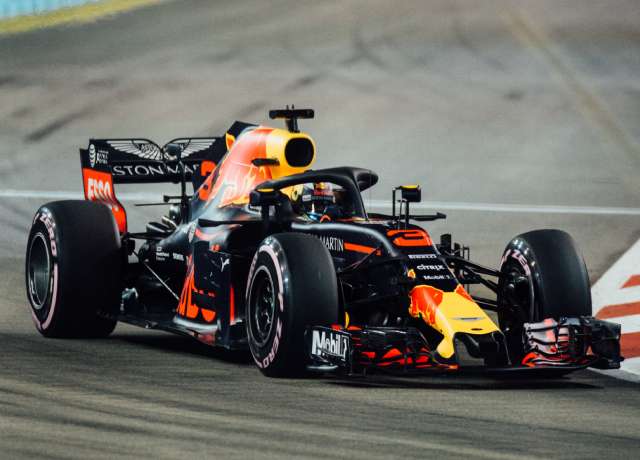
Driving an F1 car is extremely challenging and requires exceptional physical and mental capabilities. For an average person, it would be virtually impossible to drive an F1 car at racing speed without spinning out or losing control due to the car’s extreme sensitivity to throttle and brake inputs and the lack of driver aids like ABS or traction control.
Why The Average Human Couldn’t Drive An F1 Car ?
Handling and lack of driver aids: Modern Formula 1 cars have no traction control or ABS, requiring the driver to carefully modulate throttle and brake inputs to avoid spins or lock-ups. This absence significantly increases the skill needed to control the car.
Extreme speeds and cornering: F1 cars reach speeds over 200 mph, and can corner faster than any other vehicle in the world, sometimes close to 190 mph. This extreme speed means drivers must react instinctively and precisely, often without time to consciously think about each input.
G-forces and physical demands: The high cornering and braking forces generate severe G-forces, up to around 5G during braking, that pull and strain the body intensely. Drivers must be exceptionally fit with strong neck and core muscles to withstand this. The average person cannot maintain head control under such forces.
Unique car construction: F1 cars rely heavily on aerodynamic grip, which only works at high speeds. Drivers must keep the car moving fast enough to maintain grip and tire temperature, unlike road cars that rely more on mechanical grip at low speeds.
Learning curve and cockpit conditions: Operating features like a hand-operated clutch and managing the car’s extreme responsiveness require training. Visibility is limited, and the cockpit environment can be uncomfortable and physically demanding.
Also Read: Who Is Charles Leclerc’s Girlfriend? See Pictures
Even highly skilled racing drivers not accustomed to F1 level G-forces struggle to complete more than about 10 laps before fatigue sets in. Experienced Formula 1 drivers often describe driving as an instinctual process developed over years of preparation. Former drivers and experts emphasize that while current F1 cars may be physically easier than some past eras, controlling them on track remains extraordinarily difficult due to their power, grip, and immediate throttle response.
In summary, driving an F1 car is among the hardest physical and mental challenges in motor sports, requiring exceptional fitness, precise car control, and advanced car management skills that take years of training to master.

